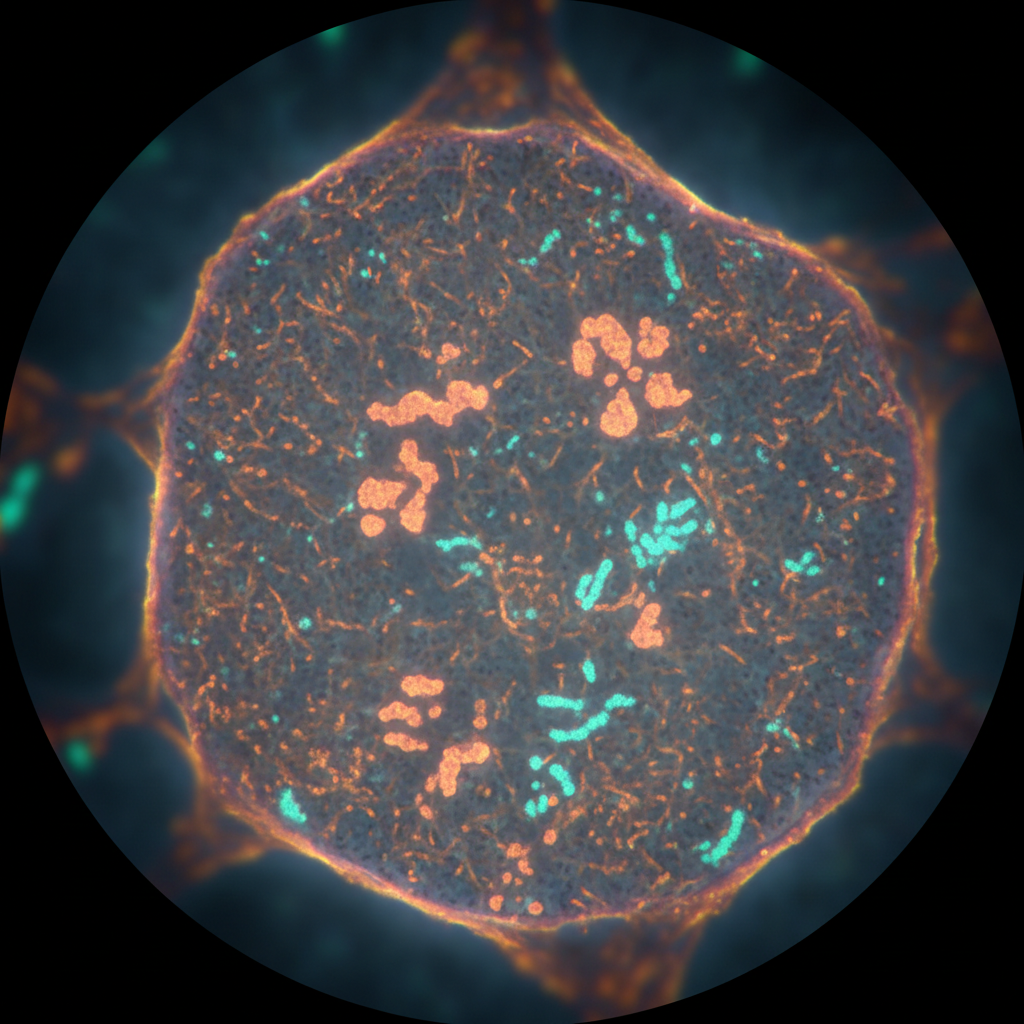
The Base Editor's Precision Problem: Why Single-Nucleotide Changes Are Harder Than They Look
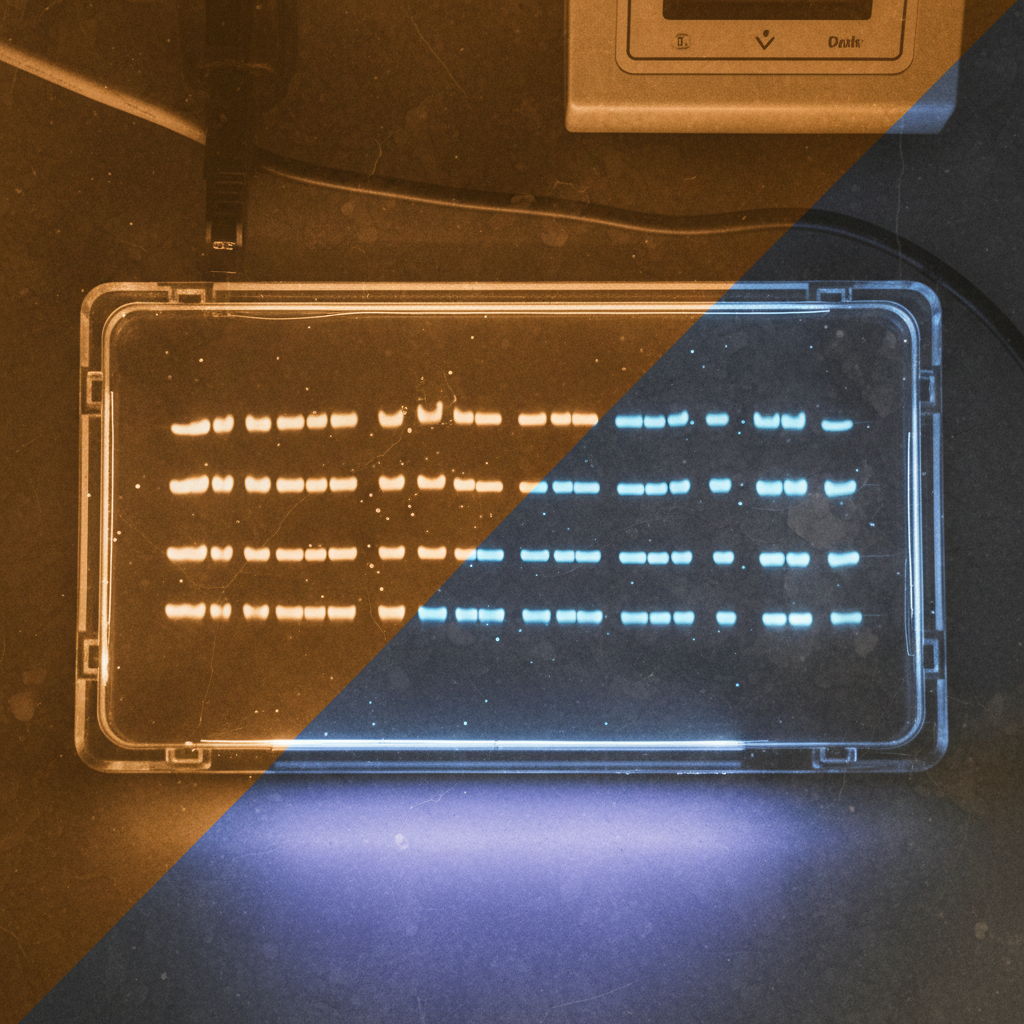
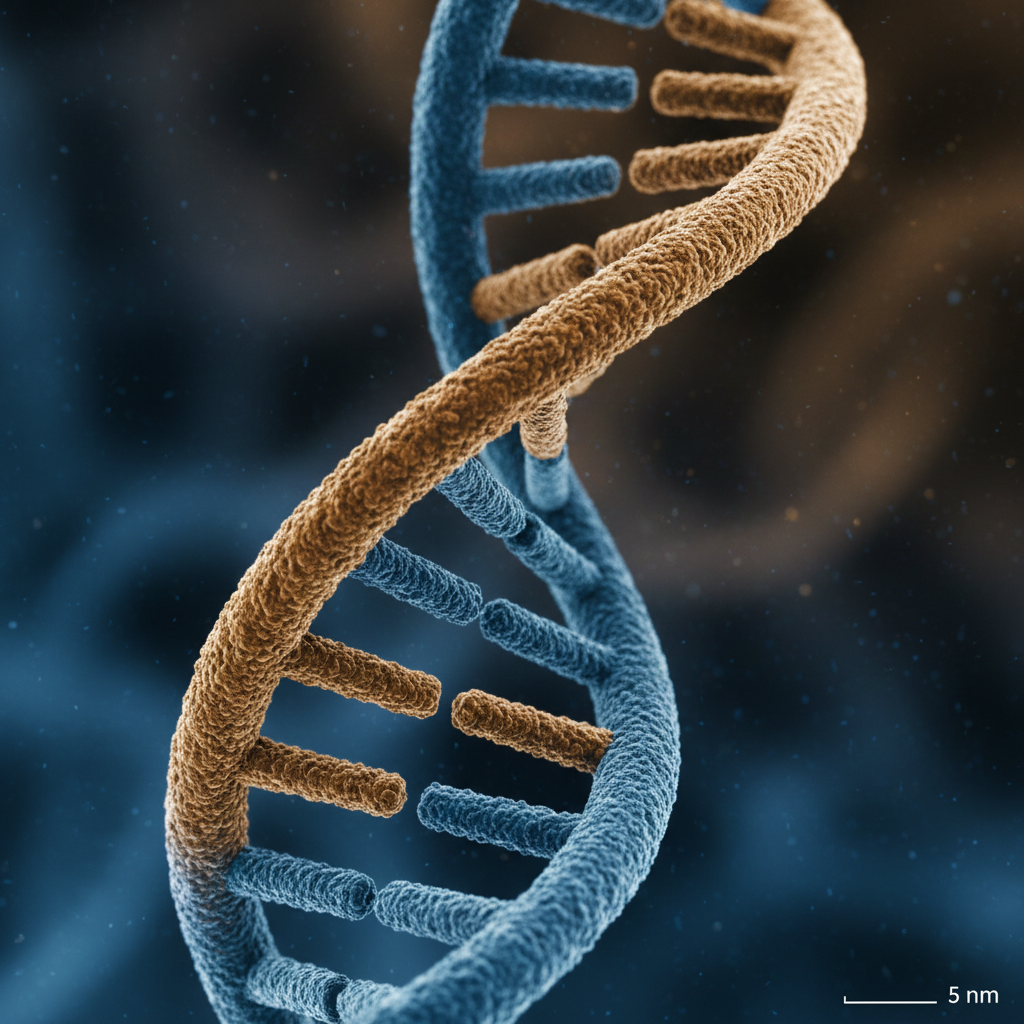
ABE8e achieves >99% efficiency in vitro. In vivo, the number drops to something more complicated — and more instructive.
Long-form essays on CRISPR patents, gene therapy trials, and protein-folding breakthroughs — written for postdocs, read by the VCs who fund them.
The weekly briefing.
One essay. Curated signal. Every Thursday morning.

ABE8e achieves >99% efficiency in vitro. In vivo, the number drops to something more complicated — and more instructive.

The interference proceeding ended. The licensing ambiguity did not.


A cell with 473 genes and no explanation for what 149 of them do. That gap is the most interesting thing in biology right now.


Toggle switches and oscillators have been elegant demonstrations for two decades. The translation problem is finally being solved.

The fragmentome carries information. Extracting it reproducibly across clinical sites is the unsolved problem.


"The model predicts structure with startling accuracy. What it cannot predict is whether that structure will survive the crowded chaos of a living cell."
Three years after AlphaFold 2 redrew the map of structural biology, the gaps are becoming legible. This essay traces what DeepMind got right, what the community got wrong in its initial excitement, and why the next frontier isn't folding — it's dynamics. With commentary from labs at UCSF, the MRC Laboratory of Molecular Biology, and a startup in Basel that is quietly building on what AlphaFold left unresolved.
200 pages. 24 essays. The definitive account of what moved biology forward in 2025 — from base editing's clinical pivot to the synthetic cell's first breath. Free for verified researchers, journalists, and investors.
Free PDF. No spam. Unsubscribe any time.